Humanin 10mg: What You Need to Know
Wiki Article
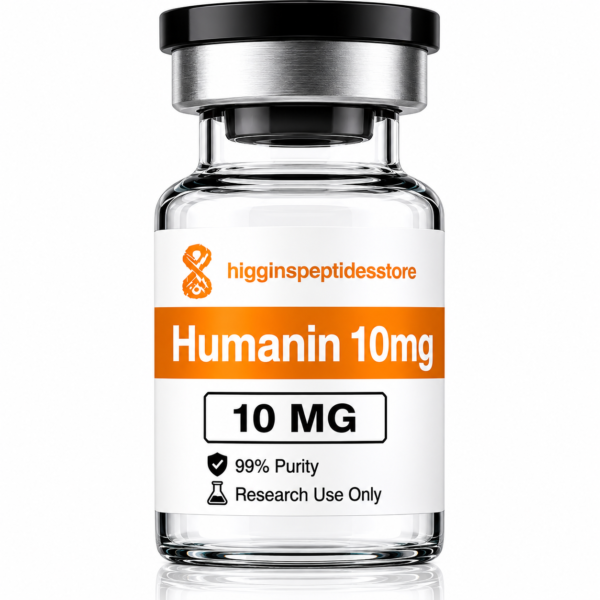
Humanin is a naturally occurring mitochondrial-derived peptide that has attracted scientific interest because of its potential role in cellular protection, healthy aging, metabolism, and neurobiology. Researchers continue to investigate Humanin for its ability to help cells resist various forms of stress and damage, making it a promising area of study in age-related and degenerative conditions.
A Humanin 10mg product typically contains 10 milligrams of lyophilized (freeze-dried) Humanin peptide intended for research purposes.
What Is Humanin?
Humanin is a small peptide first discovered in 2001 during research into neurodegenerative diseases. Unlike many other peptides, Humanin is encoded within mitochondrial DNA rather than nuclear DNA. Scientists believe it may function as a protective signaling molecule that helps cells survive under stressful conditions.
Research has suggested that Humanin may influence:
- Cellular stress responses
- Mitochondrial function
- Metabolic regulation
- Cognitive health
- Cardiovascular health
- Healthy aging processes
How Does Humanin Work?
Humanin appears to exert its effects through multiple biological pathways. Researchers have found that it can interact with cell-surface receptors and intracellular proteins involved in cell survival.
Potential mechanisms under investigation include:
- Protection against oxidative stress
- Regulation of inflammatory responses
- Support for mitochondrial health
- Reduction of cellular apoptosis (programmed cell death)
- Enhancement of cellular resilience
These actions have made Humanin a subject of interest in longevity and regenerative medicine research.
Areas of Scientific Research
Neuroprotection
One of the earliest areas of Humanin research involved neurodegenerative diseases. Laboratory studies have suggested that Humanin may help protect nerve cells from certain forms of cellular damage associated with aging and neurological disorders.
Researchers continue to explore its potential role in:
- Cognitive function
- Brain health
- Neurodegenerative disease mechanisms
- Cellular protection within the nervous system
Healthy Aging Research
Humanin levels have been observed to change with age in some studies. This observation has led scientists to investigate whether the peptide may contribute to healthy aging and longevity-related biological pathways.
Areas being explored include:
- Cellular resilience
- Age-related decline
- Longevity biomarkers
- Metabolic health
Metabolic Function
Research suggests Humanin may influence metabolic regulation and insulin sensitivity.
Potential areas of investigation include:
- Glucose metabolism
- Insulin signaling
- Energy balance
- Mitochondrial efficiency
However, these findings remain under active scientific investigation.
Cardiovascular Research
Scientists have also studied Humanin's possible effects on cardiovascular tissues.
Research interests include:
- Vascular health
- Cellular protection in cardiac tissue
- Oxidative stress reduction
- Cardiovascular aging
Further studies are needed to clarify these potential benefits.
Potential Advantages Observed in Research
Preclinical studies have reported several promising observations:
- Enhanced cellular survival
- Improved resistance to oxidative stress
- Support for mitochondrial function
- Potential metabolic benefits
- Neuroprotective properties
It is important to note that many of these findings come from laboratory and animal research, and additional human studies are required.
Safety and Side Effects
Humanin remains an investigational peptide, and comprehensive long-term human safety data are limited.
Potential concerns may include:
- Injection-site reactions
- Individual sensitivity responses
- Unknown long-term effects
- Variability in product quality from unregulated sources
Because research is ongoing, the complete safety profile has not yet been fully established.
Regulatory Status
Humanin is generally considered a research peptide and is not approved by major regulatory agencies such as the U.S. Food and Drug Administration (FDA) for the treatment of medical conditions.
Most commercially available Humanin products are marketed for laboratory research purposes rather than approved clinical use.
Storage and Handling
Humanin 10mg products are commonly supplied as freeze-dried powder.
General storage recommendations often include:
- Keep in a cool, dry environment before reconstitution
- Protect from direct sunlight
- Refrigerate after reconstitution if recommended by the manufacturer
- Follow sterile handling procedures in research settings
Specific storage instructions may vary depending on the supplier.
Who Is Interested in Humanin Research?
Humanin has gained attention among researchers studying:
- Healthy aging
- Mitochondrial biology
- Neuroprotection
- Metabolic regulation
- Cellular resilience
- Longevity science
Its unique origin and broad range of biological activities continue to make it a fascinating subject of scientific investigation.
Future Research Directions
Scientists continue to explore several important questions:
- How Humanin influences aging pathways
- Its role in metabolic health
- Potential neuroprotective mechanisms
- Interactions with mitochondrial signaling
- Long-term effects in humans
Future clinical studies will be essential to determine whether findings from laboratory research translate into practical medical applications.
Conclusion
Humanin 10mg is a mitochondrial-derived peptide that has generated considerable interest in the fields of aging, metabolism, neurobiology, and cellular protection. Early research suggests that Humanin may help support cellular resilience, mitochondrial health, and stress resistance, although many of these findings remain under investigation.
As Humanin is still considered a research compound rather than an approved medical treatment, individuals interested in its potential applications should rely on evidence-based information and consult qualified healthcare professionals regarding any health-related decisions.
Report this wiki page